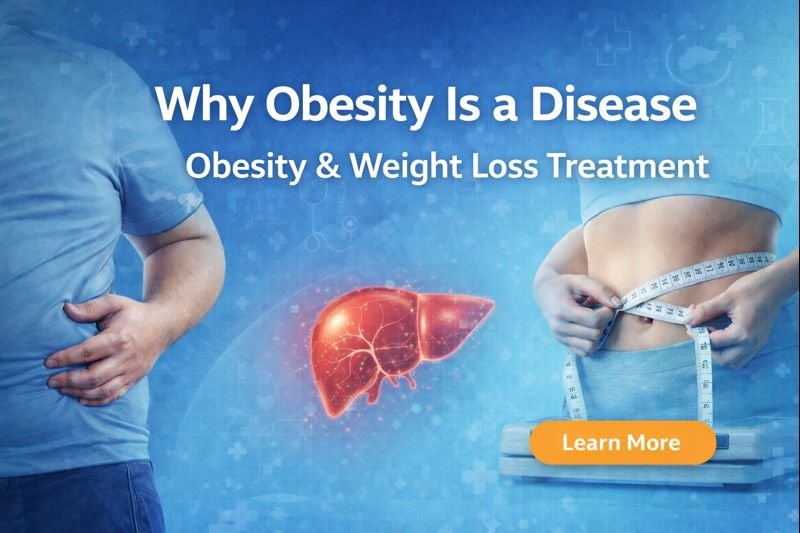
For years, obesity has been misunderstood as merely the result of overeating or lack of exercise. However, modern medical science clearly recognizes obesity as a chronic disease, not just a lifestyle issue. It is a complex condition influenced by genetics, hormones, metabolism, gut health, psychological factors, and environment.
At Gastro Liver Care, patients are educated that blaming willpower alone is neither correct nor helpful. Under the expert guidance of Dr. Pawan Rawal and Dr. Rajesh Puri, obesity is treated as a medical condition that requires proper diagnosis, structured treatment, and long-term follow-up.
This blog explains why obesity is a disease, how it affects the body, and why medical intervention is essential for safe and sustainable weight management.
What Is Obesity? A Medical Definition
Obesity is defined as excess body fat that negatively impacts health. Doctors commonly assess it using:
- Body Mass Index (BMI)
- Waist circumference
- Body fat distribution
- Associated metabolic and digestive disorders
Obesity is linked to more than 200 medical conditions, making it one of the most serious global health challenges today.
Why Obesity Is Classified as a Disease
1. Obesity Has a Biological Basis
Obesity is driven by complex biological mechanisms, not just eating habits. These include:
- Genetic predisposition
- Hormonal imbalances (leptin, insulin, cortisol)
- Slowed metabolism
- Altered gut microbiome
These factors make weight loss extremely difficult without medical support.
2. Hormonal Imbalance Plays a Major Role
Hormones regulate hunger, satiety, fat storage, and energy use. In obesity:
- Hunger signals remain high
- Satiety signals are impaired
- Fat storage increases even with normal food intake
This explains why many people regain weight despite dieting.
3. Obesity Causes Chronic Inflammation
Excess fat tissue releases inflammatory substances that affect the entire body. Chronic inflammation contributes to:
- Diabetes
- Heart disease
- Fatty liver disease
- Digestive disorders
- Joint and spine problems
This inflammatory state confirms obesity as a medical disease, not a cosmetic issue.
4. Obesity Alters Gut Health
From a gastroenterology perspective, obesity significantly impacts digestion:
- Disruption of healthy gut bacteria
- Increased gut sensitivity
- Higher risk of IBS, GERD, and fatty liver
Dr. Pawan Rawal emphasizes that obesity and digestive disorders often coexist and must be treated together for effective results.
Why “Just Eat Less and Exercise More” Often Fails
Lifestyle changes are important—but they are not enough on their own for many patients.
Reasons why simple dieting fails:
- Metabolic adaptation slows calorie burning
- Hormonal resistance blocks weight loss
- Stress and sleep disorders increase fat storage
- Crash diets worsen gut and liver health
This is why medical obesity treatment is essential for long-term success.
Health Risks of Untreated Obesity
If obesity is not managed medically, it can lead to:
- Type 2 diabetes
- Fatty liver disease and cirrhosis
- Heart disease and hypertension
- IBS and chronic digestive problems
- Sleep apnea
- Hormonal disorders
- Certain cancers
Recognizing obesity as a disease allows early intervention and prevention of complications.
Obesity and Digestive & Liver Health
At Gastro Liver Care, many obese patients present with:
- Fatty liver disease
- Acid reflux (GERD)
- IBS and bloating
- Pancreatic and biliary disorders
Dr. Rajesh Puri, with his extensive experience in advanced gastroenterology, highlights that untreated obesity worsens outcomes in many digestive and liver conditions.
Medical Approach to Obesity Treatment
1. Comprehensive Evaluation
Obesity treatment begins with identifying the root cause:
- Metabolic and hormonal assessment
- Digestive and liver evaluation
- Lifestyle and stress analysis
2. Personalized Treatment Plan
There is no one-size-fits-all solution. Treatment may include:
- Medical nutrition therapy
- Gut-friendly dietary plans
- Medications (when indicated)
- Lifestyle and behavioral support
This approach ensures safe, gradual, and sustainable weight loss.
Obesity Treatment in Gurgaon: Why Medical Care Matters
Seeking obesity treatment in Gurgaon under expert medical supervision helps patients:
- Avoid unsafe fad diets
- Protect liver and gut health
- Achieve long-term weight control
- Reduce obesity-related complications
At Gastro Liver Care, treatment plans are tailored to each patient’s medical profile, ensuring better results and improved overall health.
Weight Loss Treatment in Gurgaon: Beyond the Scale
Effective weight loss treatment in Gurgaon focuses not just on weight reduction but on:
- Improving digestion
- Normalizing metabolism
- Reversing fatty liver
- Enhancing energy and quality of life
The goal is health-focused weight loss, not rapid or unhealthy reduction.
Breaking the Stigma Around Obesity
Labeling obesity as a lifestyle failure increases:
- Shame and guilt
- Delayed medical care
- Mental health stress
Recognizing obesity as a disease:
- Encourages timely treatment
- Improves patient confidence
- Leads to better medical outcomes
When Should You Consult a Doctor for Obesity?
You should seek medical help if:
- Weight gain is persistent despite efforts
- You have digestive or liver issues
- Obesity is affecting daily life
- There is a family history of metabolic disease
Early consultation leads to better, safer outcomes.
Conclusion
Obesity is not a lack of discipline—it is a chronic medical disease influenced by biology, hormones, metabolism, and gut health. Treating it requires medical expertise, not judgment.
At Gastro Liver Care, Dr. Pawan Rawal and Dr. Rajesh Puri provide comprehensive, science-backed care for patients struggling with obesity and its complications. Their integrated approach addresses both digestive health and weight management, ensuring sustainable results.
If you are looking for expert obesity treatment in Gurgaon or safe and effective weight loss treatment in Gurgaon, consulting a specialist can be the first step toward long-term health and well-being.